How to Get the Best AI Pet Photos: 10 Tips That Actually Work
Quick Answer
To get the best AI pet photos, upload a clear front-facing shot in good natural light where your pet's face fills most of the frame. Styles like Royal Portrait and Astronaut work for nearly every breed, while painterly styles (Oil Painting, Watercolor) suit light-coated pets especially well.
The difference between a mediocre AI pet photo and a stunning one almost always comes down to the source image and the style match. The AI is only as good as what you give it. These 10 tips are drawn from what consistently produces the best outputs across different breeds, coat types, and styles on Tail Frame.
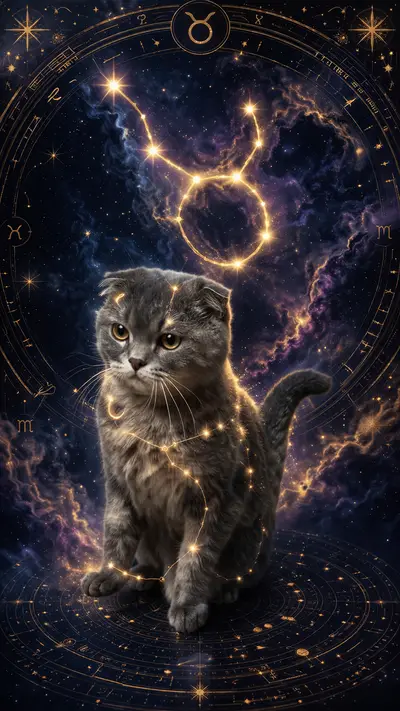
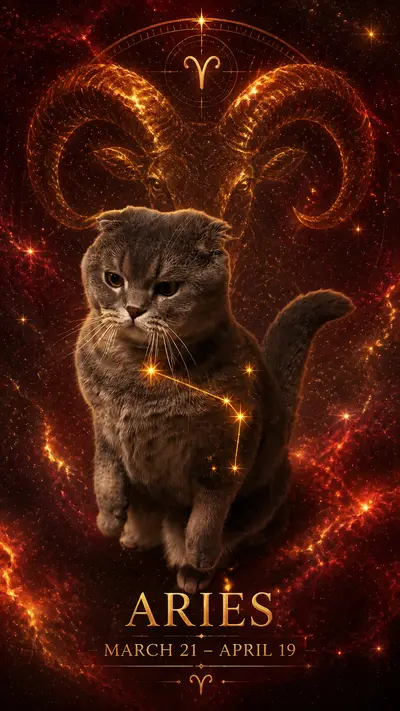
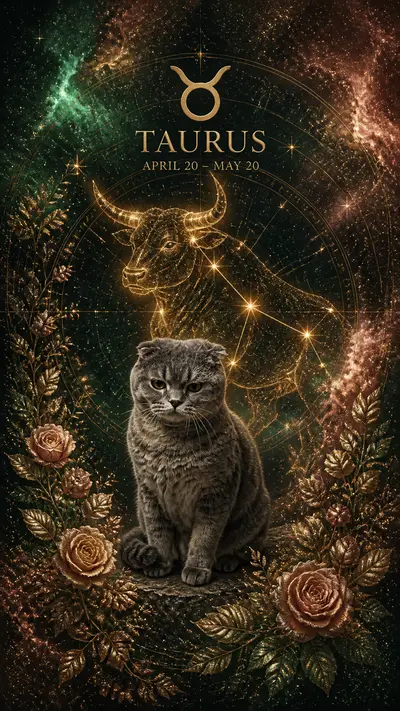
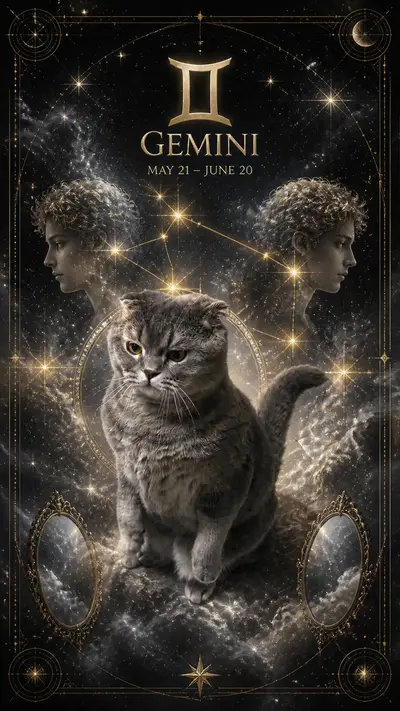
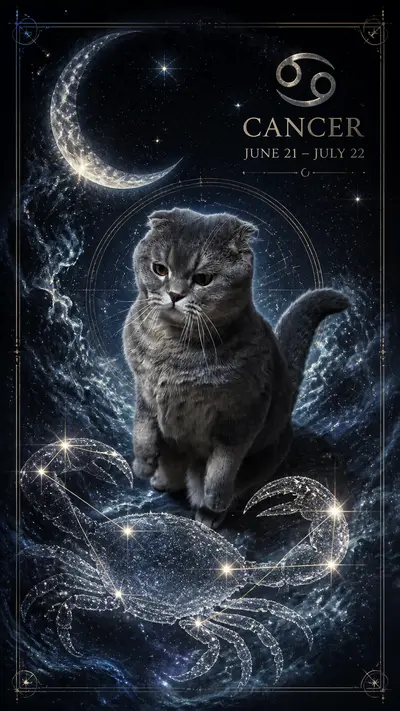
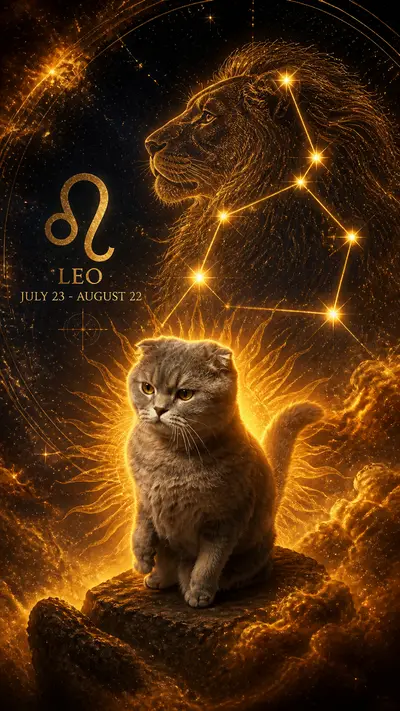
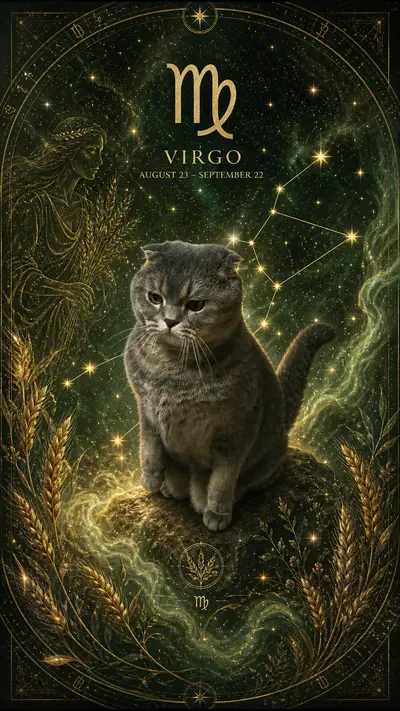
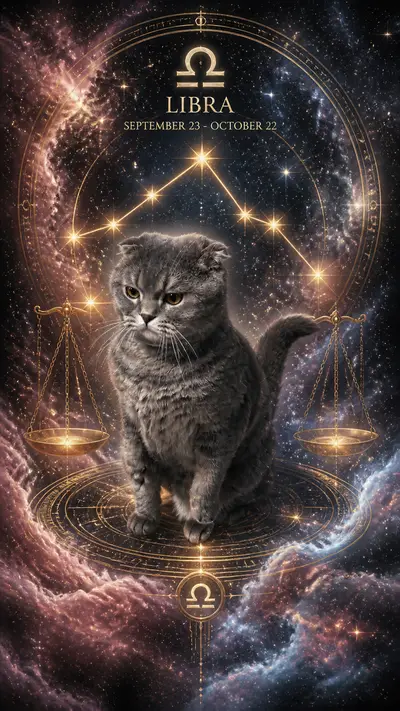
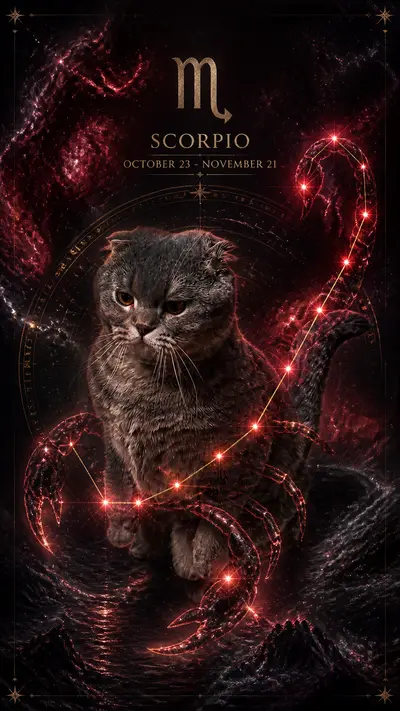
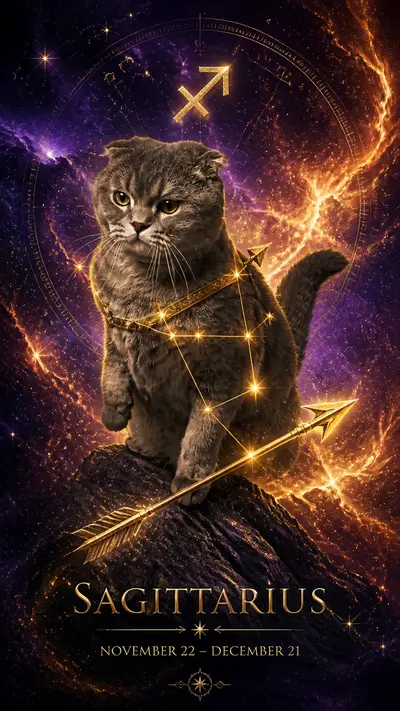
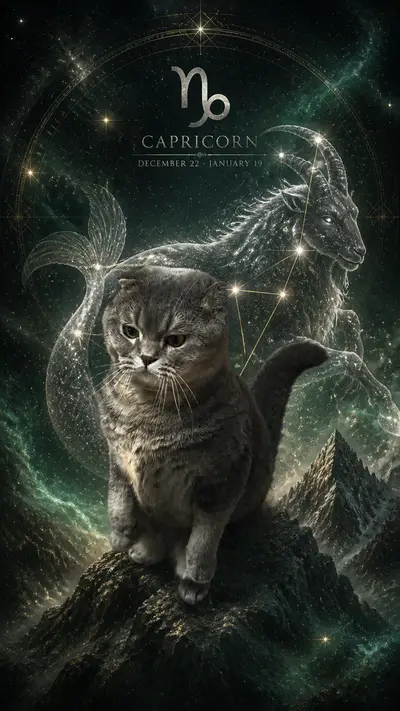
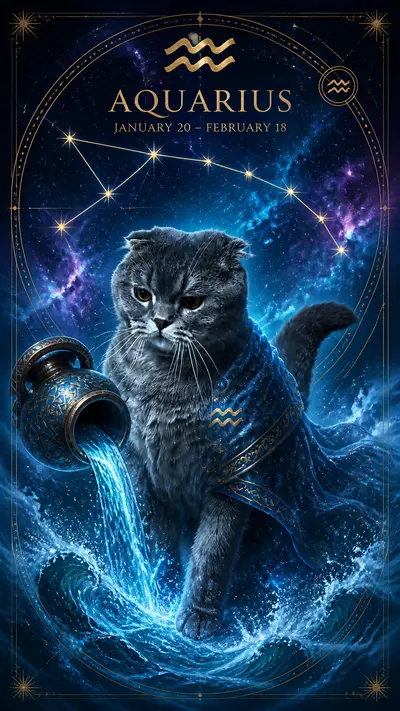
Style examples


Tap any style to see more examples →
Tips 1 to 3: Getting the Source Photo Right
Tip 1: Use natural light. Photos taken near a window or outdoors on an overcast day give the AI the most detail to preserve. Direct harsh sunlight creates blown-out highlights that flatten your pet's features. Tip 2: Fill the frame with the face. A tight crop on your pet's face from the shoulders up gives the AI a clear target. Full-body shots reduce detail in the features that matter most. Tip 3: Shoot front-facing. A slight head tilt is fine, but photos where your pet is looking toward the camera give the AI the eye color, face shape, and expression it needs. Profile shots can produce unpredictable results in portrait styles.
Tips 4 to 6: Common Mistakes to Avoid
Tip 4: Avoid motion blur. A blurry photo produces a blurry AI result. Use burst mode and pick the sharpest frame. Tip 5: One pet per photo. If another animal or person appears in the frame, the AI may generate two subjects or produce an inconsistent blend. Crop tightly to one pet. Tip 6: Skip heavily filtered source photos. Instagram filters, heavy saturation, and artificial color grading interfere with how the AI reads your pet's true coloring. Use an unfiltered photo from your camera roll.
Tips 7 and 8: Style Matching by Breed and Coat
Tip 7: Match the style to the coat color. Dark-coated pets (black cats, Rottweilers, dark tabby) produce dramatic results in Renaissance Portrait and Oil Painting. Light-coated pets (cream Labs, white Persians, golden retrievers) shine in Watercolor, Royal Portrait, and Old Money. High-contrast styles like Neon Cyberpunk work for any coat but read differently depending on color. Tip 8: Use portrait styles for flat-faced breeds. Persian cats, Bulldogs, and Pugs have less facial depth. Portrait-style AI inputs (Royal Portrait, Oil Painting) handle their features better than action or scene-based styles. A sharp, well-lit headshot is especially important for these breeds.
Tips 9 and 10: Getting More from Each Generation
Tip 9: Generate multiple times from the same photo. Each generation produces a slightly different result. The third or fourth generation often captures a more expressive version of your pet's face. Most users find their favorite within two or three tries. Tip 10: Try one familiar style and one unexpected one. Generate Royal Portrait first to get a reliable beautiful result. Then try something your pet would never actually do: Gym Bro, Astronaut, or Viking Warrior. The contrast between your real pet and their AI persona is where the shareable content lives.
Which Styles Work Best for Which Breeds
Golden Retrievers: Royal Portrait, Studio Ghibli, Old Money. Their warm golden coat suits painterly and warm-toned styles. Huskies: Astronaut, Viking Warrior, Arctic Explorer. The two-tone coat and dramatic eyes suit high-contrast, adventurous styles. Cats with large round eyes (Persians, Scottish Folds): Anime Character, Royal Portrait. Their natural eye shape anchors expressive portrait styles. Black cats: Renaissance Portrait, Neon Cyberpunk. Dark coats work with both extremely dramatic lighting and vibrant color schemes. Small dogs (Chihuahuas, Pomeranians): Old Money, Royal Portrait. These styles scale down gracefully and give smaller breeds the grandeur they clearly believe they deserve.
Try Tail Frame with these tips - packs from $4.99, no subscription
165+ styles. No subscription. Results in 60 seconds.
Try Tail Frame FreeFrequently Asked Questions
A front-facing photo in natural light where your pet's face fills most of the frame. One pet per shot, no motion blur, no heavy filters on the source image.
Royal Portrait is the most universally successful style across breeds, coat colors, and sizes. Astronaut also performs consistently well for dogs of all types.
A blurry source photo produces a blurry AI result. Use burst mode on your camera and select the sharpest frame. Low-resolution or heavily compressed images can also reduce output quality.
Yes. Use the same source photo for as many styles as you want. Each generation costs one image credit. Trying 3 to 5 styles from the same photo is a good way to find which aesthetic suits your pet best.
Cats with expressive eyes suit Anime Character and Royal Portrait especially well. Dogs with athletic builds work well in Viking Warrior and Superhero. Both respond well to Royal Portrait, Oil Painting, and Astronaut.